Why Local Knowledge Helps a Personal Injury Lawyer in Denver
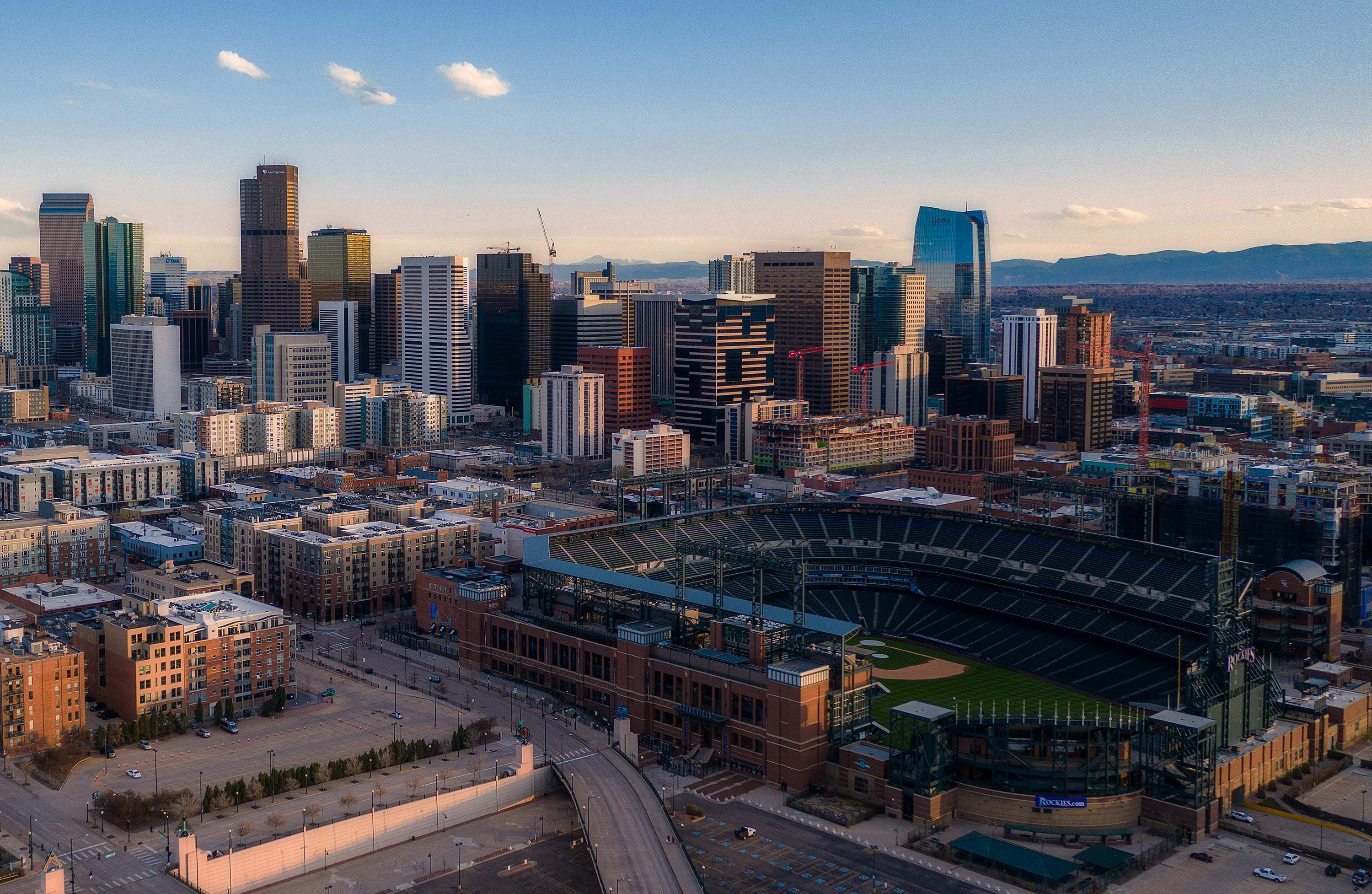
A personal injury case rarely turns on legal theory alone. Statutes matter, medical records matter, insurance coverage matters, but in practice, local knowledge often shapes the difference between a case that moves efficiently and one that stalls, gets undervalued, or runs into avoidable friction. That is especially true in Denver, where geography, weather, traffic patterns, local court expectations, and the city’s fast growth all influence how injury claims unfold.
People often assume that a strong case is a strong case anywhere. That sounds reasonable until real details start piling up. A rear-end collision near Speer Boulevard during a sleet storm raises different practical questions than a crash in a dry suburban corridor. A slip-and-fall claim involving a LoDo property may involve maintenance practices, surveillance footage timelines, and foot traffic patterns that a lawyer from outside the area would not instinctively think to investigate right away. A trucking collision on I-25 or I-70 can involve local accident hotspots, weather shifts near the foothills, and commercial traffic rhythms that shape liability analysis.
That is where a Personal Injury Lawyer in Denver can bring an edge that goes beyond knowing the law. Local knowledge sharpens judgment. It helps the lawyer ask better questions earlier, spot weaknesses before the insurance company exploits them, and present the case in a way that fits how Denver claims are actually handled.
Denver injury claims are shaped by place, not just paperwork
Every city has its own injury patterns. Denver’s are heavily influenced by density, expansion, altitude, tourism, road design, winter weather, and a population mix that includes longtime residents, new arrivals, commuters, cyclists, skiers, rideshare users, and commercial drivers. Those details are not background color. They affect both how accidents happen and how they must be proven.
Consider traffic collisions. Denver roads can shift quickly from clear and dry to slick and dangerous, especially during shoulder seasons when drivers are less prepared for sudden snow or freezing rain. A lawyer with local experience understands that a crash on a high-speed corridor during a March storm may involve more than simple driver error. Visibility, road treatment timing, merge design, black ice, and local driving behavior all may become relevant. That does not excuse negligence, but it changes how the facts should be developed.
The same principle applies to premises liability. Snow and ice cases often look simple from the outside. Someone falls on a sidewalk or parking lot, gets hurt, and seeks compensation. But in Denver, those claims can become very technical very fast. When did the storm stop? What was the temperature overnight? Was there thaw-and-refreeze? Did the property owner have actual notice of the hazard? Was the dangerous condition in a high-traffic commercial zone where regular clearing is expected? A lawyer who knows the local climate and common property maintenance disputes will frame those questions with more precision.
This is one reason a skilled Personal Injury lawyer with local grounding often sees a case more clearly at the outset. Not just the legal claim, but the terrain around it.
Local courts have their own culture
Law is state-based, but litigation culture is often local. Deadlines and procedural rules may be written down, yet there is always a lived layer beneath them. Judges have preferences. Court staff operate with their own rhythms. Defense firms have habits. Certain arguments tend to land better than others depending on the venue and the facts.
A Denver-based attorney who regularly handles injury claims in local courts usually develops a practical feel for that environment. That familiarity can influence how a complaint is drafted, how aggressively discovery is pushed, when mediation is likely to be productive, and what kind of settlement posture makes sense.
This does not mean outcomes are based on personality or insider access. It means experience creates better forecasting. Lawyers who work in a jurisdiction over time learn what tends to move a case forward and what tends to waste time. They know when an insurer is posturing for a discount and when the file is probably being prepared for serious evaluation. They know which factual gaps will immediately attract scrutiny. They know how local juries may react to surveillance video, social media disputes, treatment delays, or inconsistent injury reporting.
That sort of judgment is hard to imitate from a distance.
Insurance adjusters know the local players too
Insurance companies are national, but claim handling is often regional. Adjusters and defense counsel tend to learn which lawyers prepare thoroughly, which ones overstate damages, which ones will actually file suit, and which ones accept low offers to avoid extended litigation. Reputation matters, quietly but powerfully.
A Personal Injury Lawyer in Denver who has established credibility in the local market may be in a stronger position when negotiations begin. If the adjuster knows that the lawyer documents medical damages carefully, preserves evidence early, and has no hesitation about litigating a good case, the value discussion often starts on firmer ground.
There is also a practical side to this. Local lawyers may already understand which carriers typically delay, which ones respond to detailed demand packages, and which ones tend to increase value only after specific depositions or expert disclosures. That knowledge helps shape strategy. It can prevent a client from spending months waiting for movement that was never going to happen without pressure.
Many injury victims do not realize how much settlement value depends on timing and framing. Presenting the right materials in the right order matters. So does knowing when local defendants or insurers are likely to become realistic.
Knowing Denver roads changes how a crash case is investigated
Accident reconstruction is not just a technical exercise. Context matters. Where were the lanes? Was there ongoing construction? Did the intersection have a reputation for visibility problems? Was the road feeding traffic from downtown, from the mountains, or from a congested suburban artery during rush hour? Did the cyclist route force unusual movement through parked cars or bus zones?
A lawyer who knows Denver can often visualize the scene before ever arriving there. That speeds up investigation and improves the questions asked of witnesses, police, and experts.
Take a common example. A client says they were hit making their way through an area near Colfax, where lane changes, turning traffic, buses, pedestrians, and impatient drivers can all compress into a short stretch of roadway. A lawyer unfamiliar with that type of corridor may treat it like a generic urban collision. A local lawyer may immediately wonder about camera coverage from nearby businesses, signal timing, bus stop placement, blocked sightlines, or whether the police diagram missed a recurring traffic pattern locals know well.
The same is true for highway cases. Crashes on I-70 involving mountain-bound traffic often differ from downtown commuter wrecks. Fatigue, speed variation, weather shifts, truck traffic, rental vehicles, and unfamiliar drivers can all play a role. Someone who regularly handles Denver-area cases is more likely to recognize these patterns early enough to preserve useful evidence.
Medical treatment in Denver has its own practical ecosystem
Injury claims rise or fall on medical proof, yet treatment is not only a medical issue. It is also logistical. Where a person treats, how quickly they can get in, whether they can reach appointments, and whether providers document limitations clearly can all affect the claim.
Denver’s medical network includes major hospitals, urgent care systems, orthopedic groups, imaging centers, physical therapy clinics, and specialists spread across a large metro area. A local attorney usually understands these practical realities. They may know which facilities are commonly used after crashes, how records are requested efficiently, what billing issues tend to arise, and where treatment delays happen because of scheduling bottlenecks rather than lack of injury.
This matters because insurers often attack gaps in treatment. If a client waited three weeks for a specialist, an adjuster may imply the injury was minor unless the delay is explained. A lawyer familiar with Denver’s healthcare landscape can put that delay in proper context. They can also help clients avoid preventable problems, such as inconsistent follow-up or providers whose charting does not capture symptoms well.
There is another layer here. In some cases, a local lawyer may better understand how altitude, active lifestyles, or physically demanding work common in Colorado affect recovery narratives. A knee injury means one thing on paper. It means something more concrete when the injured person commutes on foot, bikes regularly, works construction, skis, hikes, or spends long hours on ladders. Damages become more persuasive when they are tied to the actual life the client was living in Denver before the injury.
Witnesses, evidence, and timing are local problems
Evidence fades quickly in any injury case, but local responsiveness can make a real difference. A surveillance request delivered a week late may mean the footage is gone. A damaged sidewalk condition may be patched. Skid marks may vanish. A witness who works nearby may be reachable now and impossible to locate a month later.
Proximity helps. So does knowing how local businesses, property managers, and agencies tend to respond. A Denver lawyer can visit scenes quickly, use investigators who know the area, and identify practical sources of proof that outsiders may overlook. That may include traffic camera possibilities, weather records that matter for a snow case, neighborhood business footage, construction signage, or prior complaints tied to a specific property.
A case does not always fail because the core facts are weak. Sometimes it weakens because the right facts were not gathered while they were still available.
Local knowledge helps with valuation, not just liability
One of the hardest tasks in any injury case is assigning a fair value. Medical bills are only part of that picture. Pain, disruption, future treatment, wage loss, reduced earning capacity, permanent limitations, and day-to-day functional losses all matter. Valuation is never purely mathematical. It depends on comparable outcomes, venue expectations, jury tendencies, and how believable the damages story feels in context.
This is where local judgment again becomes valuable. A Personal Injury lawyer who regularly works in Denver can usually give a more grounded assessment of what local insurers and factfinders may do with a given case. They can explain whether the claim is likely to be viewed as modest, significant, or highly contested. They can also warn clients when internet settlement numbers are misleading.
Some clients come in assuming every surgery means a six-figure recovery. Others underestimate a serious case because there were no broken bones. cghlawfirm.com Personal Injury Lawyer in Denver Both assumptions can be wrong. Local experience helps calibrate expectations. That is not glamorous, but it is one of the most useful things a lawyer can offer.
Denver’s growth creates new kinds of accident complexity
Denver has changed rapidly over the past decade and more. Growth brings construction, redevelopment, denser traffic, more rideshare activity, and evolving infrastructure. Those changes create accident patterns that are not static.
Construction-related hazards are a good example. Temporary walkways, blocked sightlines, uneven pavement transitions, lane shifts, and incomplete signage can all contribute to injuries. A lawyer who understands how often these issues arise in certain parts of Denver may investigate more aggressively. They may also better identify which entities were responsible, because construction injury cases often involve layers of contractors, subcontractors, property owners, and maintenance obligations.
Rideshare claims add another layer. Downtown pickups, event traffic, and airport runs can create disputes over app status, commercial coverage, and driver conduct in congested areas. Local familiarity with where and how those incidents occur can improve both fact development and insurance analysis.
Even bicycle and pedestrian cases require a local lens. Denver has invested heavily in multimodal transportation, but transitions between bike lanes, parking zones, turn lanes, and shared spaces can still be dangerous. A lawyer who understands those street designs is less likely to miss the significance of roadway layout in a contested liability case.
What local knowledge looks like in practice
It is easy to talk about local knowledge in abstract terms, so it helps to make it concrete. In practice, it often shows up in small decisions that add up over the life of a case.
- Visiting the scene early because a specific intersection is known for changing traffic control patterns during nearby construction.
- Pulling weather data promptly in a slip-and-fall case because temperature swings in Denver can support a thaw-and-refreeze theory.
- Anticipating defense arguments tied to treatment gaps because certain specialty clinics in the metro area routinely schedule weeks out.
- Framing wage loss with local employment realities, especially where commuting, seasonal work, or physically demanding labor affect recovery.
- Negotiating with confidence because the lawyer knows how a particular carrier tends to value similar Denver-area claims.
None of these moves guarantee a result. Together, though, they often produce a more complete and more persuasive case.
Clients benefit from a lawyer who understands the city they move through
Personal injury law is personal in a literal sense. It deals with the routine paths people take through their lives, where they drive, walk, work, shop, exercise, and recover. When a lawyer understands those routines in the place where they actually happen, the representation often feels sharper and more grounded.
A Denver resident injured near Union Station, on a suburban arterial, at a ski-related shuttle stop, or in an apartment complex after a snow event does not just need someone who can cite negligence law. They need someone who can understand the setting quickly, ask the right local questions, and explain the claim in realistic terms.
That practical understanding can also improve client communication. People want to know whether their lawyer grasps what their daily life looks like. If the attorney understands how long a cross-metro commute can be, how winter conditions affect mobility, or how an injury interferes with common Colorado activities, the advice tends to feel less generic. That matters, because injury cases often unfold over many months. Trust builds when the lawyer seems rooted in the same world as the client.
Choosing the right lawyer means looking beyond credentials alone
Credentials matter. Trial experience matters. Results matter. Yet for many injury victims, it is worth asking one more question: how well does this lawyer know Denver itself?
That knowledge should come through in the consultation. The lawyer should be able to talk intelligently about the likely investigation path, the local issues that may affect the case, the treatment and insurance challenges that often arise here, and the realistic timeline in a Denver injury claim. They should not speak in broad national slogans. They should sound like someone who has handled these problems in this place.
A useful set of questions might include:
- Have you handled cases in the part of Denver where this happened?
- What local factors do you think matter most in my claim?
- Are there evidence issues that need attention right away?
- How do Denver insurers and defense lawyers usually approach a case like this?
- What problems do you see early, before we get too far into the process?
The answers do not need to be flashy. In fact, the best answers usually are not. They are specific, practical, and calm. They reflect a lawyer who knows that strong cases are built on detail.
A city-specific case deserves city-specific judgment
There is a reason so many experienced litigators become deeply regional over time. They learn that facts are always embedded in a place. Denver is not interchangeable with any other city, and injury claims here are not either. The roads behave differently. The weather shifts differently. The development patterns create different hazards. The court culture, negotiation patterns, and evidence problems have their own shape.
For someone hiring a Personal Injury Lawyer in Denver, local knowledge should not be viewed as a marketing extra. It is part of case preparation. It informs strategy from the first phone call forward, from scene investigation to medical proof to settlement posture to trial readiness.
A serious injury already places enough strain on a person’s health, finances, and routine. The legal side should not add confusion that could have been avoided with better local judgment. A lawyer who knows Denver well can often see the case as it really is, not as a generic file, but as an event that happened in a specific city, under specific conditions, with specific consequences that deserve to be understood fully.
CGH Injury Lawyers
Address: 2701 Lawrence St Ste 201, Denver, CO 80205
Phone number: +17206698062
FAQ About Personal Injury Lawyer in Denver
Is it worth suing for personal injury?
Suing for personal injury is typically worth it if you have suffered significant or long-lasting injuries, extensive medical bills, and lost wages due to someone else's negligence. However, the process is only practical if liability is clear, damages are substantial, and the at-fault party has insurance or assets to pay a claim.
What not to say to a personal injury lawyer?
Always be entirely honest and transparent with your personal injury lawyer. Never lie, hide prior injuries, or leave out embarrassing details. The actual things you should avoid saying are to insurance adjusters and on social media.
How much do most personal injury lawyers charge?
Most personal injury lawyers charge a contingency fee of 33% to 40% of your final settlement or jury verdict, meaning you pay nothing upfront. If they do not recover money for you, you do not owe them an attorney fee.